Introduction
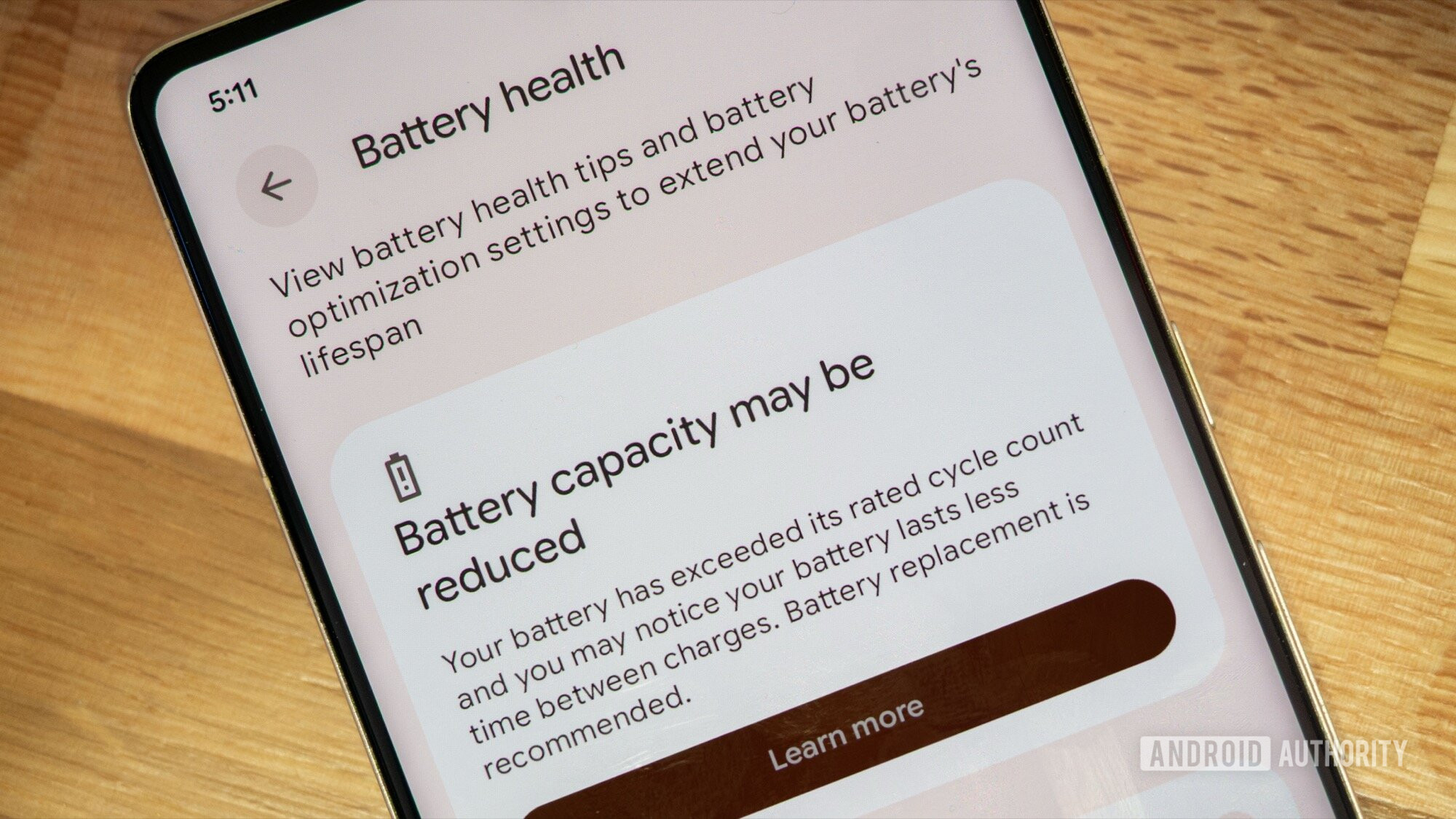
Pixel phones have long been praised for their cameras, software updates, and clean Android experience, but a recurring cloud hangs over the lineup: battery life that’s often inconsistent and sometimes downright frustrating. Recent leaks about the Pixel 11 Pro models hint at potentially smaller batteries, and a new survey from Android Authority confirms what many users already suspect—Google’s battery woes are driving loyal fans to consider other brands. Whether it’s the March update drain, the notorious Deep Doze bug, or years of unpredictable power management, the question is no longer if there’s a problem, but whether it’s serious enough to make you leave the Pixel ecosystem for good. This step-by-step guide will help you evaluate your own experience, weigh the facts, and make an informed decision about your next phone.
What You Need
- A current or recent Pixel phone (Pixel 6 series or later for the most relevant data)
- Access to your phone’s battery usage statistics (Settings > Battery > Battery Usage)
- Knowledge of your own charging habits and daily usage patterns
- Familiarity with the latest Pixel update history (e.g., March 2025 update details)
- Optional: Results from Android Authority’s survey or similar community polls
Step 1: Identify the Specific Battery Issues Affecting Your Pixel
The first step is to separate general battery aging from known Pixel–specific problems. Survey data shows that the most common complaints include:
- Sudden drain after software updates—like the March 2025 update that introduced erratic battery behavior for many users.
- Deep Doze bug—where phones enter an overly aggressive sleep state and fail to wake properly, causing missed notifications and unpredictable wake–up drains.
- Inconsistent day–to–day battery life on the Pixel 10 series, even without heavy use.
- Charge throttling—slower charging speeds after the battery reaches a certain percentage.
- Long–term battery health decline faster than competing brands.
Open your battery settings and check graphs for unusual spikes or flat lines that correlate with update dates. Note any patterns—does the drain happen at the same time each day? Is it worse on mobile data versus Wi–Fi? Keep a log for 3–5 days.
Step 2: Compare Your Experience Against Known Pixel History
Google has struggled with battery consistency for nearly a decade. Rita El Khoury’s opinion piece argued that after ten years, such issues are unacceptable. Look at your own history: Did your previous Pixel models also have battery quirks? If this is your first Pixel, consider whether the problem feels like a one–time glitch or part of a recurring theme. The survey from Android Authority indicated that a majority of respondents had noticed the latest battery drain, and many said it was making them rethink their next phone purchase. Ask yourself: Am I experiencing something new, or is this a familiar frustration that Google never seems to fully fix?
Step 3: Evaluate the Impact on Your Daily Life
Not all battery annoyances are equal. Make a list of how the issues affect you:
- Do you need to charge before the end of the day?
- Are you missing calls or notifications because of the Deep Doze bug?
- Do you feel anxious about battery level when traveling?
- Has the charging speed become noticeably slower, affecting your routine?
If the problems are minor (e.g., you have easy access to a charger, or the drain only happens occasionally), a switch may not be necessary. But if you’ve missed important alerts or frequently run out of battery during critical moments, that’s a stronger signal to consider alternatives.
Step 4: Research Potential Fixes and Future Pixel Improvements
Before jumping ship, check if a software patch is on the horizon. Google has acknowledged the Deep Doze bug and may release a fix. Also, leaks about Pixel 11 Pro suggest improved cameras and displays—but also mention possibly smaller batteries. Weigh the likelihood of a permanent fix versus Google’s pattern of temporary patches. Some users have mitigated drain by disabling certain features like Adaptive Connectivity or 5G, or by performing a factory reset. Try these steps for a week and monitor results. If the problem persists, then the issue may be hardware–rooted or endemic to the Pixel design.
Step 5: Assess Your Loyalty to the Pixel Ecosystem
Consider what you would lose by switching: Google’s excellent computational photography, the clean Android experience, exclusive features like Call Screen and Magic Eraser, and timely security updates. The poll found that while many are reconsidering, a portion of users are staying because of these unique benefits. Write down your top three reasons for owning a Pixel and see if they outweigh the battery frustration. If your answer is “yes, the features are worth the hassle,” then you might choose to wait. If the battery issues constantly overshadow the positives, it’s time to look elsewhere.
Step 6: Explore Alternative Phone Options
If you decide to switch, research phones that excel in battery life without sacrificing key features. Top contenders include Samsung Galaxy S series (with Fast Charging), OnePlus (Warp Charging), and iPhones (consistent battery optimization). Compare battery specs, independent reviews, and real–world tests. Also consider battery longevity—how well do these phones hold up after a year? Some brands offer replaceable batteries or better charging management. Read user forums to see if any have persistent drain issues like the Pixel. The goal is to find a phone that matches your priorities: cameras, software, and reliable battery life.
Tips for Making the Final Decision
- Don’t act on one bad update cycle—wait to see if Google releases a fix.
- Test a potential new phone for a week if possible (return policies or retail demos).
- Join Pixel community forums to see if others are seeing improvement after updates.
- Factor in battery replacement costs—if you love the Pixel camera, a $79 battery swap might be cheaper than a new phone.
- Remember that no phone is perfect—every brand has trade-offs. The survey shows many Pixel fans are frustrated, but also that some are staying. Your decision should be based on your personal threshold for inconvenience.
Ultimately, the choice comes down to whether Google’s battery inconsistency is a dealbreaker for you. Use the steps above to gather data, reflect on your usage, and decide with confidence.