A Milestone for Deep Space Exploration
NASA's Artemis II mission has proven that the agency's deep space systems are ready for humanity's next ambitious leap. In a series of critical tests that validated years of engineering, the spacecraft, rocket, and ground infrastructure all performed with remarkable precision. This success sets the stage for Artemis III, which aims to land astronauts near the Moon's south pole for the first time in over five decades. The mission's flawless execution underscores the reliability of the Orion capsule, the SLS rocket, and the upgraded launch complex.
Orion's Flawless Return and Advancements
High-Speed Reentry with Improved Heat Shield
The most critical test for Orion was its high-speed return to Earth. After traveling around the Moon and back, the capsule reached speeds of nearly 25,000 miles per hour during reentry. The heat shield — redesigned after lessons from the uncrewed Artemis I mission — performed beyond expectations. Sensors showed that the ablative layer handled the extreme temperatures with minimal erosion, while the internal structure remained cool. This validation means that future crews can safely descend from lunar return velocities without the risk of thermal failure.
Pinpoint Landing Accuracy
Not only did Orion survive the punishing heat, but it also demonstrated pinpoint landing accuracy. The capsule splashed down at precisely the targeted location in the Pacific Ocean, well within the recovery team's predicted zone. This precision, enabled by upgraded guidance systems and real-time trajectory adjustments, eliminates the need for extensive search-and-rescue operations. For a crewed mission, such accuracy is essential for rapid retrieval and medical support. The success also validates the navigation software for future landings, whether on Earth or eventually on the Moon.
SLS Rocket Performance Exceeds Expectations
Trajectory Precision
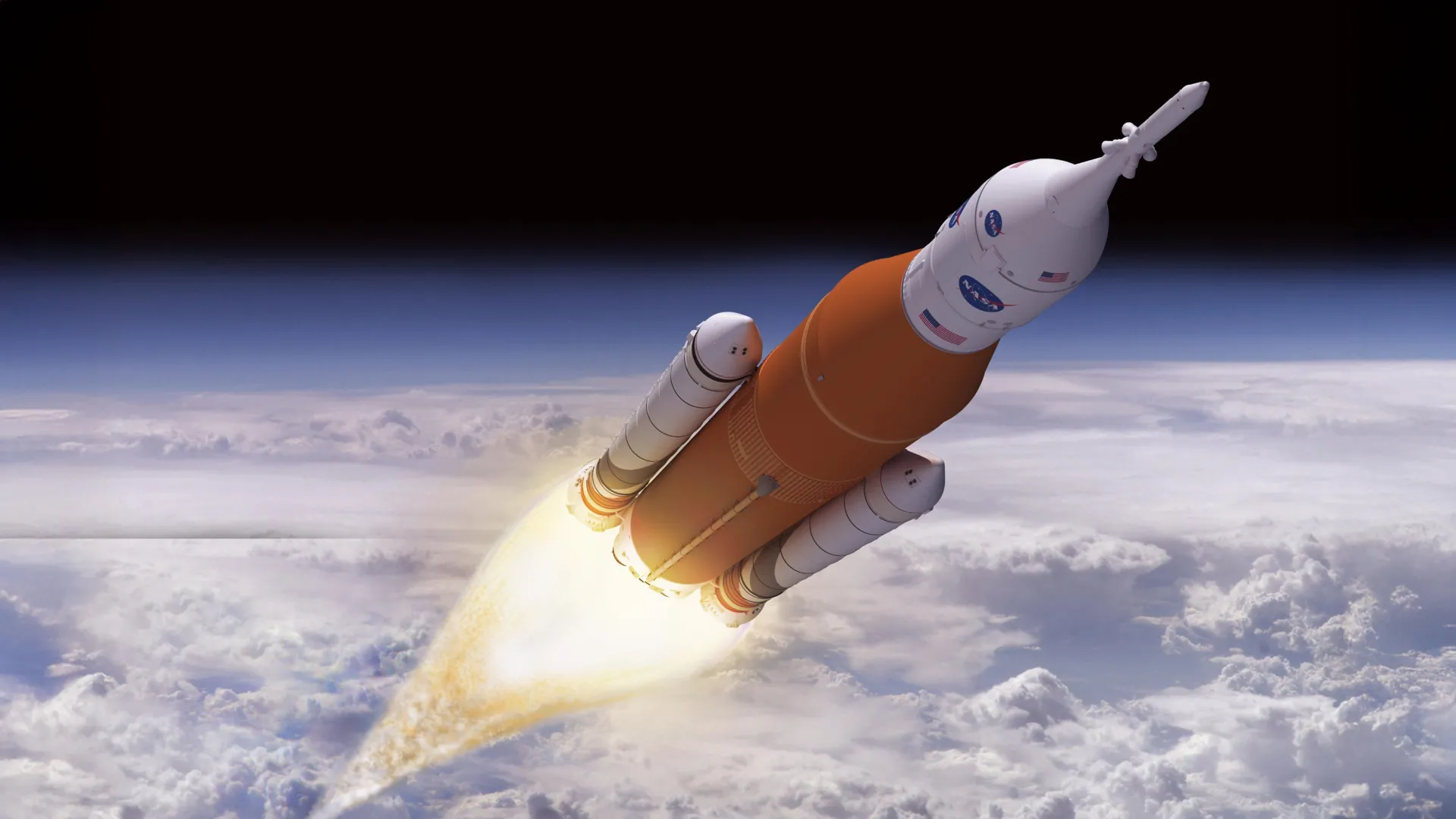
The Space Launch System rocket, the most powerful ever built to NASA standards, performed its mission with remarkable fidelity. Not only did it achieve the required trans-lunar injection burn, but the trajectory corrections were so minor that mission controllers described the launch as "textbook." This level of performance means spare fuel can be allocated to other mission phases, such as longer stays in lunar orbit or more flexible abort options. The SLS now holds a proven track record for two flawless flights, reinforcing its role as the backbone of the Artemis program.
Launch Pad Resilience
Another often-overlooked success was the behavior of the launch pad at Kennedy Space Center. The powerful liftoff of the SLS produces extreme acoustic and thermal loads, yet the upgraded pad infrastructure suffered only minimal damage. Key systems, including the water deluge system and the flame trench, performed as intended. This resilience reduces turnaround time between launches and lowers maintenance costs, both crucial for the ambitious launch cadence planned for Artemis III and subsequent missions.
Lessons Learned and Minor Issues to Address
Even though the mission was a resounding success, NASA engineers are not resting on their laurels. A few minor anomalies were noted during the flight, such as slight fluctuations in the power distribution unit and a brief data lag from one of the radiation sensors. These issues are being evaluated to ensure they pose no risk for crewed missions. Additionally, the life-support systems on Orion, though tested in previous flights, will undergo final certification checks before astronauts are aboard. The agency's approach of flying uncrewed first followed by a crewed test flight has proven invaluable in identifying and mitigating risks.
Looking Ahead to Artemis III and Beyond
Preparing for the Lunar Landing
With Artemis II's data in hand, NASA is accelerating preparations for Artemis III, currently targeted for no earlier than 2026. The mission will send astronauts to the Moon's south pole to explore the shadowed craters and investigate water ice deposits. Key hardware for this mission — including the SpaceX Starship Human Landing System and new lunar spacesuits — is undergoing rigorous testing. The success of Artemis II's heat shield and navigation systems directly feeds into the design of the landing profile, especially the precise trajectory needed for a polar landing.
Building a Sustainable Presence
Beyond Artemis III, NASA's long-term vision includes a sustainable lunar presence through the Gateway orbital outpost and periodic surface expeditions. Each Artemis mission builds on the last, and the flawless performance of the systems on Artemis II gives planners confidence that they can achieve a cadence of roughly one mission per year. The knowledge gained from handling high-speed reentry, precision landing, and rocket reuse (the SLS is not reusable, but the pad and ground systems are) will inform the next generation of spacecraft, including the future crewed Mars missions.
Conclusion
Artemis II has proven that NASA is not just dreaming of returning to the Moon — it has the technical foundation to do so safely and effectively. Every component, from the heat shield to the launch pad, performed with the reliability needed for human spaceflight. As the agency works through a short list of minor fixes, the path forward to Artemis III is clearer than ever. The Moon awaits, and thanks to this milestone mission, humanity is ready to take the next giant leap.