For decades, Australia’s remote regions were the poster child of an unreliable, expensive, and polluting power system. These areas relied on diesel generators, long transmission lines, and faced frequent blackouts. But a dramatic shift is underway. Renewable energy, paired with battery storage, is now bringing cheap, clean, and stable electricity to the outback. This transformation is turning what was once the “dark side” of the grid into a global testbed for a high-renewable, storage-rich future. Here are six key ways this revolution is unfolding.
1. The Old ‘Dark Side’: Expensive, Dirty, and Unreliable
Australia’s remote communities were once trapped in a cycle of high-cost diesel power. Running generators 24/7 meant fuel had to be trucked in over hundreds of kilometers, driving up prices and creating carbon emissions. Power was often intermittent, and residents faced soaring electricity bills. This was the dark side of the grid—a system that was not only costly but also vulnerable to supply disruptions. Now, that model is being replaced by a cleaner, more resilient alternative powered by the sun and wind.
2. The Hidden Cost of Diesel: More Than Just Fuel
Diesel generation doesn’t just carry a high price tag at the pump. The environmental cost is severe, with each liter burned releasing about 2.7 kilograms of CO₂. Remote areas also bear the additional burden of transporting and storing volatile fuel, which risks spills and fires. When global oil prices spike, these communities feel the pinch even more. By shifting away from diesel, Australia is reducing its carbon footprint and protecting remote residents from volatile fuel markets. Battery storage enables these regions to store excess solar power for use at night, cutting diesel use dramatically.
3. Fragile Transmission Lines: A Weak Link in the Chain
Long-distance power lines feeding remote towns were frequently damaged by storms, bushfires, or simply by age. Repairing them took days or weeks, leaving communities without power. These fragile lines were a single point of failure. With local renewable generation and storage, communities can now operate as microgrids, disconnecting from the main grid when necessary and running on their own clean power. This enhances energy security and reduces the risk of widespread blackouts.
4. Reliability Issues: Blackouts Become a Thing of the Past
Unreliable power was a fact of life in many remote areas. Diesel generators needed constant maintenance, and fuel deliveries could be delayed by weather or road conditions. Now, with solar farms and large-scale batteries, the power supply is more stable. Batteries provide instant backup when clouds cover the sun, and advanced controllers balance supply and demand in real time. The result is a more reliable grid that keeps lights on even during extreme weather events.

5. The Rise of Renewables: Solar and Wind Take Over
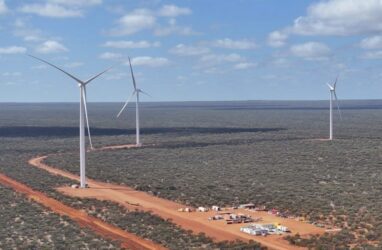
Australia has abundant solar and wind resources, especially in its vast interior. These renewable sources are now the cheapest form of new electricity generation. Remote communities are installing megawatt-scale solar farms that feed directly into local grids. Solar provides power during the day, while wind can generate at night. This mix significantly reduces reliance on fossil fuels. Some communities have already achieved over 70% renewable penetration, proving that a high-renewable grid is feasible even in isolated locations.
6. Storage: The Key That Unlocks the Full Potential
Battery storage is the game-changer that makes renewable energy viable around the clock. Without storage, solar power would be useless after sunset. Large lithium-ion batteries, often container-sized, store excess solar energy during the day and discharge it in the evening peak. This “firming” capability allows remote grids to run on 100% renewable power for extended periods. Storage also provides frequency control and voltage support, replacing services that diesel generators once provided. As battery costs continue to fall, this solution is becoming the backbone of Australia’s clean energy transition.
Conclusion
The transformation of Australia’s remote grids is a clear sign that the fossil fuel empire is losing ground. Renewables and storage are not just cleaner and cheaper; they also deliver greater reliability and energy independence. What was once the “dark side” of the grid is now a shining example of what a sustainable energy future can look like. As these technologies scale, even more remote regions will be able to leave diesel behind, paving the way for a fully renewable power system across the continent.