Welcome to a celestial event that marks the bloom of spring and a unique lunar occurrence. The May full moon, known as the Flower Moon, rises tonight—but this year it’s a micromoon, meaning it appears slightly smaller than usual due to its position at apogee, the farthest point from Earth. In this listicle, we explore ten intriguing aspects of this phenomenon, from its naming origins to its impact on tides and culture. Whether you’re a seasoned stargazer or a curious observer, these insights will deepen your appreciation of tonight’s sky.
1. What Is the Flower Moon?
The Flower Moon is the traditional name for May’s full moon, derived from Native American and Colonial folklore. It coincides with the blooming of wildflowers across the Northern Hemisphere, symbolizing nature’s renewal. This name reflects the time when spring blossoms—such as violets, roses, and lilies—peak in many regions. Other cultures have similar names tied to local flora, emphasizing the moon’s role as a seasonal marker. While the moon itself doesn’t change color, its association with flowers reminds us of Earth’s vibrant cycles.
2. Why Is It Called a Micromoon?
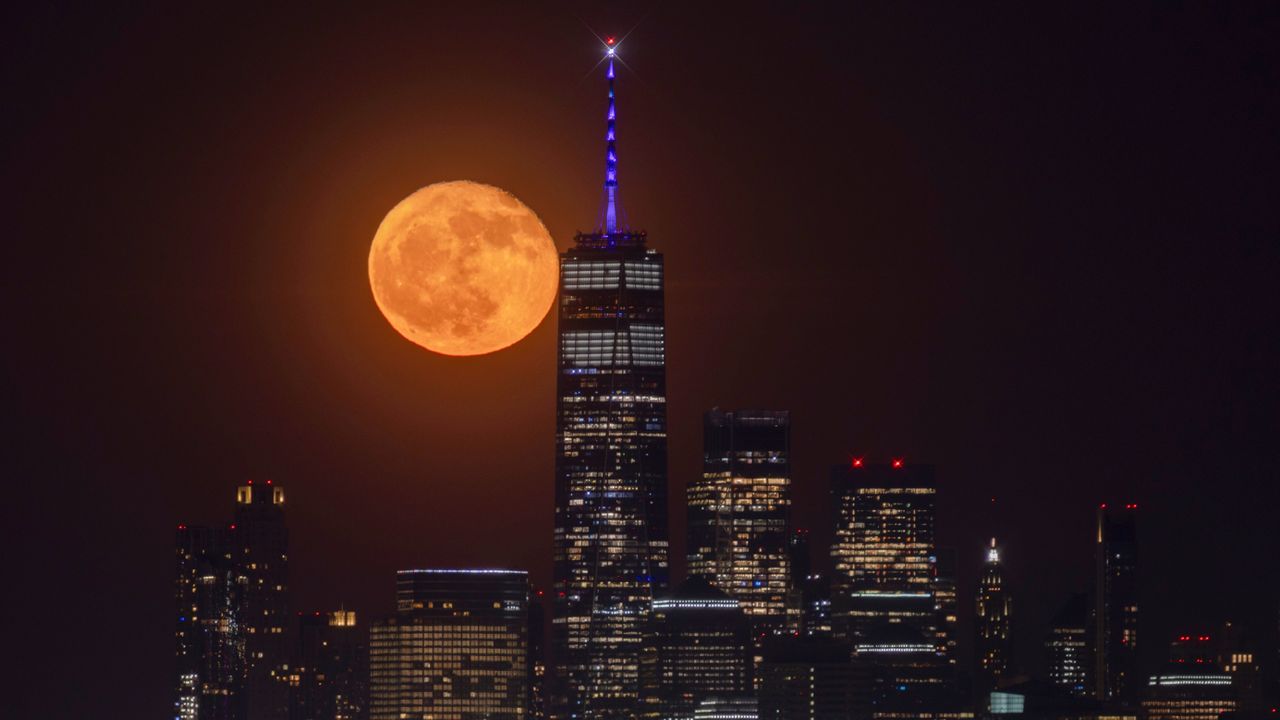
A micromoon occurs when a full moon coincides with lunar apogee—the point in its elliptical orbit farthest from Earth, roughly 252,000 miles away. This makes the moon appear about 14% smaller and 30% dimmer than a supermoon (which occurs at perigee). For May’s Flower Moon, the micromoon effect is subtle but noticeable to keen observers. Unlike the dramatic “moon illusion” near the horizon, the micromoon’s size difference is best appreciated through comparison with a supermoon. This event offers a perfect opportunity to understand elliptical orbit dynamics.
3. When and Where to See It
The Flower Moon reaches peak fullness at 1:34 p.m. EDT on May 23, 2024, meaning it will appear fully illuminated for about three days around this time. Optimal viewing in North America is during moonrise on the evening of May 23, when the moon sits low on the horizon. Use a clear eastern horizon for the best view, and consider a location with minimal light pollution. In Europe and Asia, the peak occurs after midnight, but the moon remains bright throughout the night. Check local moonrise times online for accuracy.
4. How It Compares to a Supermoon
While supermoons steal headlines with their impressive size, micromoons offer a contrasting perspective. A supermoon can be up to 30% brighter and 14% larger in apparent diameter than a micromoon. For example, the upcoming September supermoon will dwarf tonight’s micromoon. However, the difference is not always obvious to the untrained eye—except when photographed side-by-side. The micromoon’s lower brightness can actually make lunar details (like craters) easier to observe with binoculars, as glare is reduced. Embrace the subtlety!
5. Best Tips for Viewing the Micromoon
To fully enjoy the Flower Moon micromoon, follow these steps:
- Find a dark spot away from city lights, preferably with an unobstructed view of the eastern horizon during moonrise.
- Use binoculars or a small telescope to enhance craters and maria, which appear sharper in dimmer light.
- Photograph the moon with a DSLR using a telephoto lens, or even a smartphone with a tripod—try long exposure for detail.
- Check weather forecasts; even thin clouds can obscure the view. If clear, plan to watch for 30 minutes after sunset for the best contrast.
6. Cultural Significance Across Civilizations
The Flower Moon holds deep meaning in various cultures. In Native American traditions, it marked the time for planting corn (hence the alternative name “Corn Planting Moon”). Celtic pagans celebrate it as the “Bright Moon” or “Milk Moon,” tied to fertility and growth. In Hindu tradition, the full moon in May (Vaisakha Purnima) commemorates Buddha’s enlightenment. Many cultures honor this moon as a time of abundance and new beginnings, aligning with spring’s peak. These ancient connections remind us how lunar cycles guided agriculture and rituals.
7. The Micromoon’s Effect on Tides
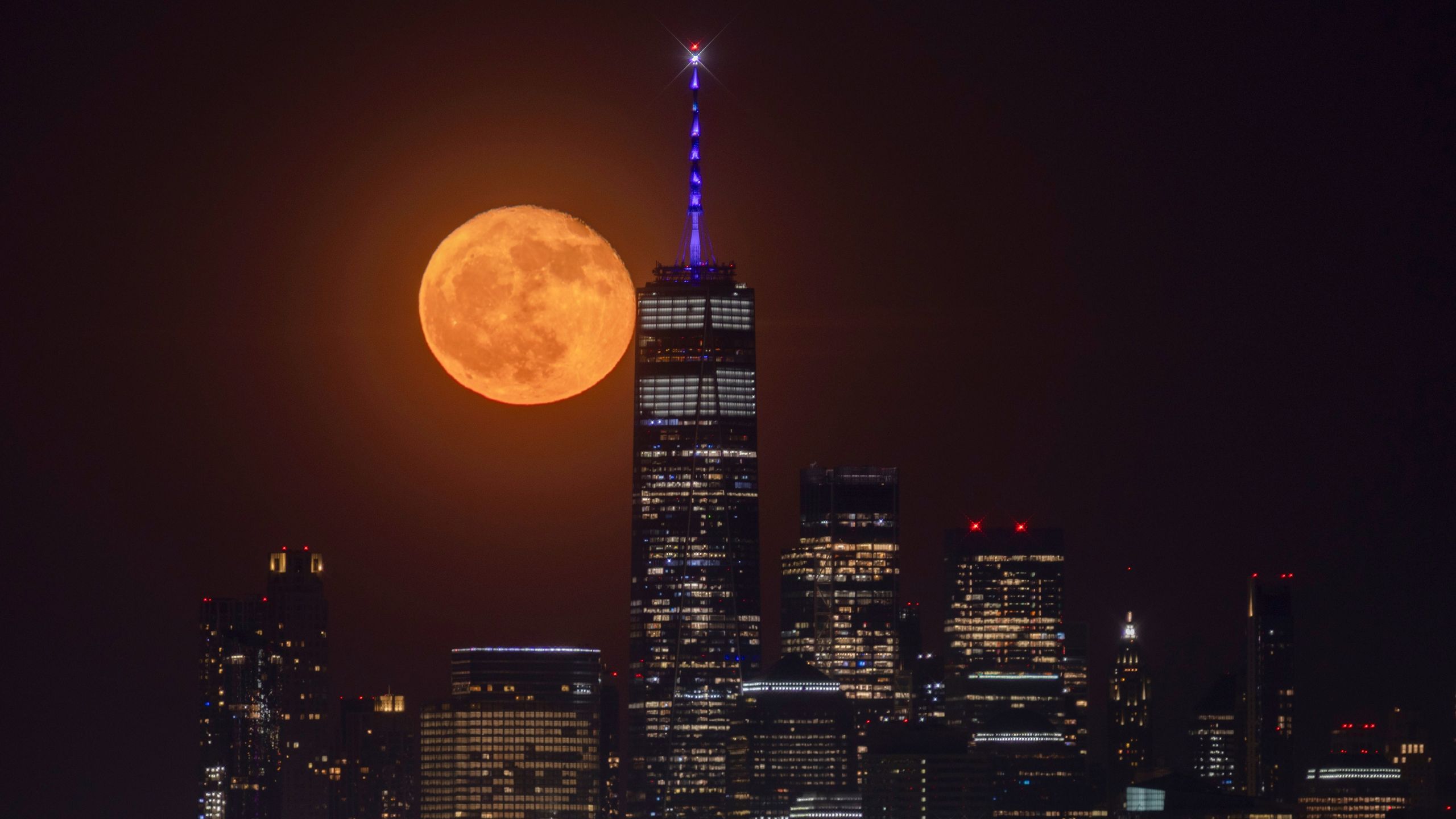
As the moon’s gravitational pull governs ocean tides, a micromoon at apogee results in weaker tidal forces—producing lower high tides and higher low tides than average. This phenomenon, called “apogean tides,” contrasts with the extreme “perigean spring tides” of supermoons. Coastal areas may experience less dramatic tidal variations, which can benefit marine life during breeding seasons. However, the effect is minor (about a 1-2 inch difference) and often unnoticeable outside precise measurements. Still, it’s a testament to the moon’s subtle influence.
8. Other Names for May’s Full Moon
Besides Flower Moon, May’s full moon is known by many evocative names: The Corn Planting Moon (Algonquin), Milk Moon (Old English), Hare Moon (Celtic), and Bright Moon (Chinese). Each reflects local seasonal activities—like planting crops or milking cows. In Anglo-Saxon tradition, it was the “Thrimilcemōnaþ” (three-milk month) because cows could be milked three times daily. These names survive in modern almanacs and pagan calendars, keeping historical farming cycles alive in our collective memory.
9. Astronomical Context: Apogee and Elliptical Orbit
The moon orbits Earth in an ellipse, with apogee (farthest) averaging 405,500 km (252,000 mi) and perigee (closest) 363,300 km (226,000 mi). The distance varies each month. For this micromoon, the moon reaches apogee just hours before fullness, maximizing the effect. This alignment happens every 13-14 months, but not every full moon near apogee is called a micromoon—only when the two events coincide within a few hours. Understanding this cycle helps predict future micromoons and supermoons.
10. Spiritual and Astrological Meanings
In modern spirituality, the Flower Moon micromoon is seen as a time for inner growth and reflection. Astrologically, May’s full moon in Sagittarius encourages exploration of truth and adventure (though precise zodiac depends on year). Micromoons, being less intense energetically than supermoons, are considered ideal for setting intentions with a gentle, grounded approach. Some interpret the smaller size as a prompt to focus on the subtleties of life. Whether you follow astrology or not, the moon’s quiet beauty invites contemplation.
As the Flower Moon rises tonight, its micromoon status offers a unique twist—a chance to witness lunar subtlety rather than grandeur. From its cultural roots to scientific nuances, this event connects us to both nature and the cosmos. So step outside, look up, and appreciate the delicate dance of celestial mechanics. And remember, even a smaller moon can leave a big impression.