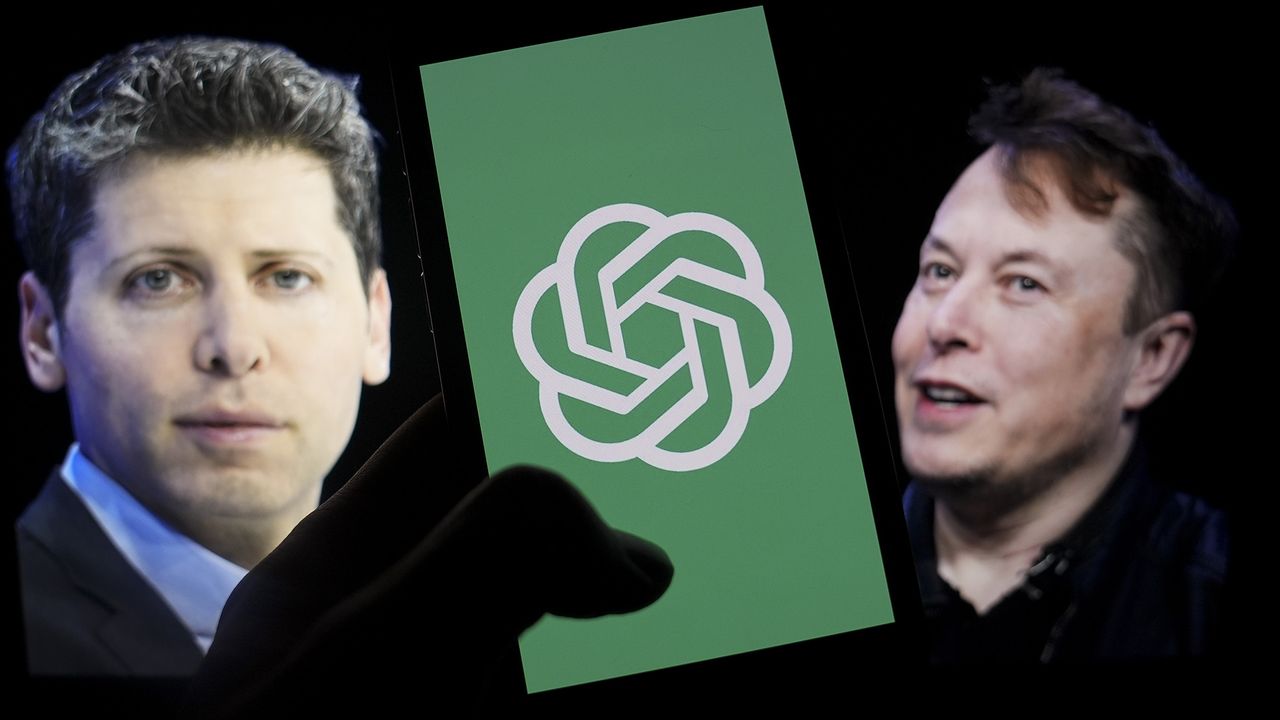
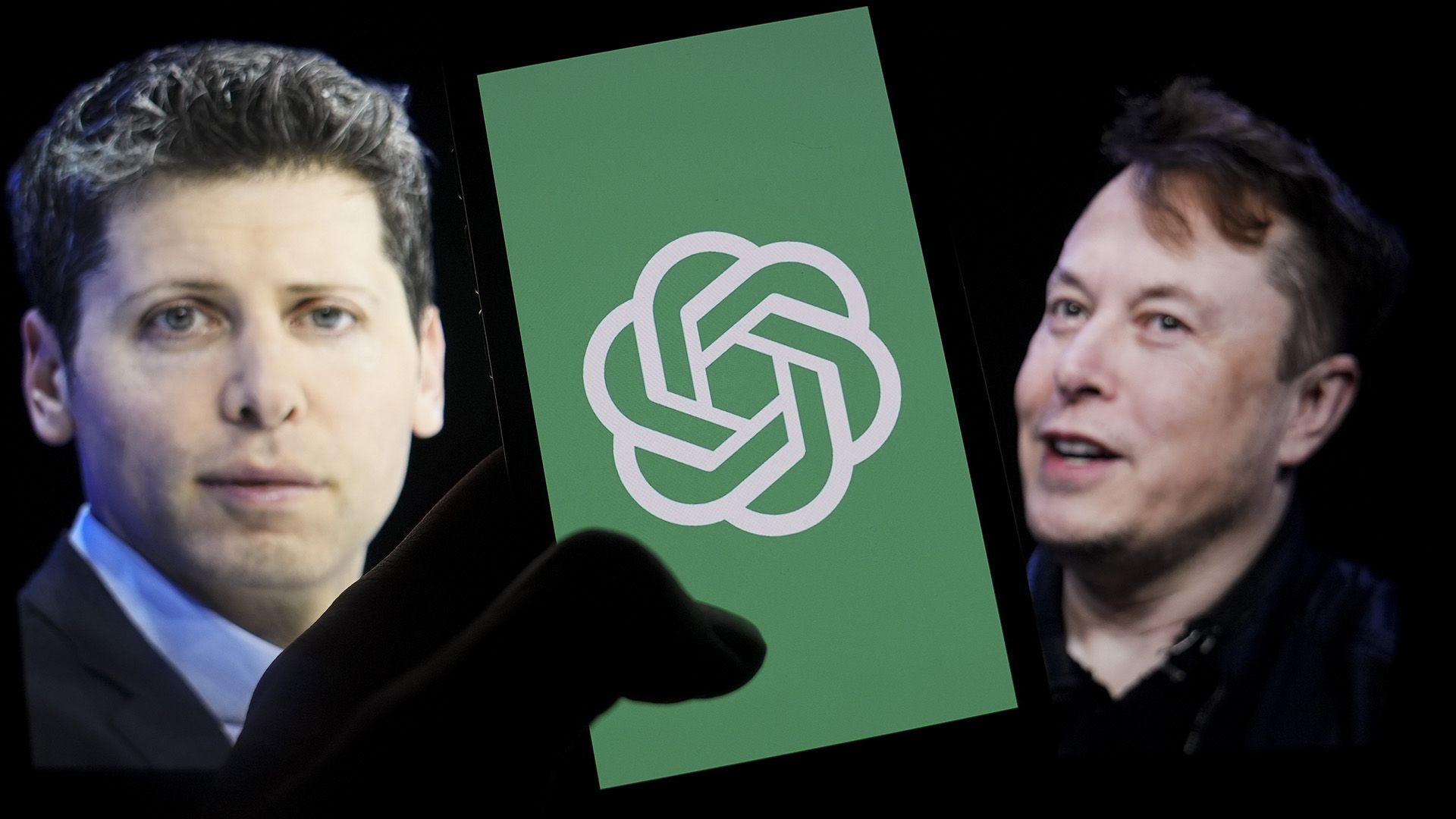
The courtroom clash between Elon Musk and Sam Altman has captured the tech world's attention, pitting two titans of artificial intelligence against each other. Their dispute isn't just personal—it raises fundamental questions about who controls AI, how it should be developed, and what happens when visionary founders disagree. As the case unfolds, its outcome could reshape the entire AI landscape. Here are ten key takeaways from this high-stakes legal showdown.
1. The Core Dispute: Governance vs. Profit
At its heart, the lawsuit centers on OpenAI's transition from a nonprofit research lab to a for-profit entity. Musk, a co-founder who left in 2018, argues that Altman and the current board have abandoned the original mission of developing AI for the benefit of humanity. Altman counters that commercial models are necessary to fund expensive AI research and deployment. This battle reflects a deeper tension in the field: can responsible AI development coexist with profit motives, or must the two be kept separate?
2. How This Lawsuit Could Redefine AI Ethics Standards
The legal arguments rely heavily on claims of deception and breach of fiduciary duty. If the court sides with Musk, it may establish new ethical benchmarks for AI companies—forcing them to clearly state their governance structures and long-term goals. Conversely, a ruling for Altman could legitimize hybrid nonprofit-for-profit models, potentially lowering the bar for accountability. Either way, the case is likely to become a reference point for future discussions about AI ethics in corporate settings.
3. The Battle Over Open Source vs. Closed Systems
Musk has repeatedly advocated for open-source AI to democratize access, while Altman's OpenAI initially embraced openness but later kept its GPT models proprietary. The lawsuit indirectly questions whether closed-source development is inherently less trustworthy. If the court forces OpenAI to reveal more about its training data or decision-making processes, it could lead to greater transparency across the industry. On the other hand, a win for Altman might accelerate the trend toward proprietary AI, limiting public scrutiny.
4. Implications for AI Safety and Regulation
Both Musk and Altman have publicly warned about the existential risks of unregulated AI. Yet their legal fight exposes their differing approaches to safety. Musk emphasizes centralized control and cautious deployment, while Altman prioritizes iterative release and rapid learning. The outcome could influence how regulators view these approaches. A judgment against OpenAI might prompt stricter rules on how AI labs handle safety testing and public disclosures—or it could strengthen the case for industry self-regulation.
5. Leadership Struggles and Founder Rights in AI Startups
The case tests the limits of founder influence after they leave a company. Musk claims his early contributions entitle him to a say in OpenAI's direction, while Altman asserts that the board must act independently. This debate matters beyond OpenAI: many AI startups rely on visionary founders who later drift away. A ruling that grants former founders ongoing rights could upend standard corporate governance, making it harder for companies to pivot or raise capital without their creators' consent.
6. The Role of Nonprofit Status in AI Research
OpenAI's original tax-exempt status was a key part of its mission. Musk's lawsuit challenges whether the organization's shift to a capped-profit model violates that mission. If the court determines that nonprofits cannot become for-profits without breaching their charter, it could force other AI research labs to rethink their structures. This might push more organizations to remain strictly nonprofit, potentially slowing commercialization but preserving public trust.
7. How This Affects Talent and Investment in AI
The uncertainty surrounding the lawsuit has already had ripple effects on hiring and funding. Top researchers may hesitate to join OpenAI if the legal battle threatens its stability. Conversely, talent might flock to Musk's own AI ventures, like xAI, if he emerges victorious. Investors, too, are watching closely: a pro-Musk ruling could deter venture capital from backing hybrid models, while a pro-Altman outcome might encourage more aggressive investment in for-profit AI spinoffs.
8. Global Competition and National Security Angles
AI development is a cornerstone of national strategy for the U.S., China, and other nations. Musk and Altman's dispute could weaken American dominance by creating internal discord and legal distractions. Alternatively, a clear resolution might strengthen the ecosystem by clarifying legal boundaries. The case also touches on export controls and dual-use technologies—if AI models become more proprietary, it could complicate international cooperation and increase the risk of technological decoupling.
9. Public Perception and Trust in AI Institutions
High-profile lawsuits often erode public confidence, and this one is no exception. The sight of two tech icons battling in court reinforces fears that AI development is driven by ego and profit rather than the common good. To rebuild trust, both parties may need to adopt more transparent communication and independent oversight. The court's decision—and how each side reacts—will shape narratives about whether AI labs can be trusted to act responsibly.
10. What Comes Next: A Precedent for Future AI Governance
Regardless of the verdict, this case will likely become a landmark for AI governance. It forces courts to grapple with issues like algorithmic accountability, fiduciary duties to humanity, and the enforceability of mission statements. Future disputes over AI direction or control will reference this decision. In the long term, the biggest impact may be not on OpenAI itself but on how new AI organizations design their charters, fundraising, and exit strategies to avoid similar conflicts.
The Musk-Altman legal showdown is more than a personal feud—it's a crucible that will test the values and principles of the AI community. As the world watches, the outcome will send ripples through boardrooms, laboratories, and policy debates for years to come. Whether you see it as a necessary corrective or a disruptive distraction, one thing is certain: this case is shaping the future of artificial intelligence in ways we are only beginning to understand.