In a major legal development, a U.S. Court of International Trade ruling has declared President Trump's 10% global tariffs illegal, potentially unlocking significant refunds for Apple and reducing costs across its supply chain. This Q&A explores the details of the ruling, its impact on the tech giant, and what comes next.
1. What were the 'Liberation Day' tariffs, and why were they ruled illegal?
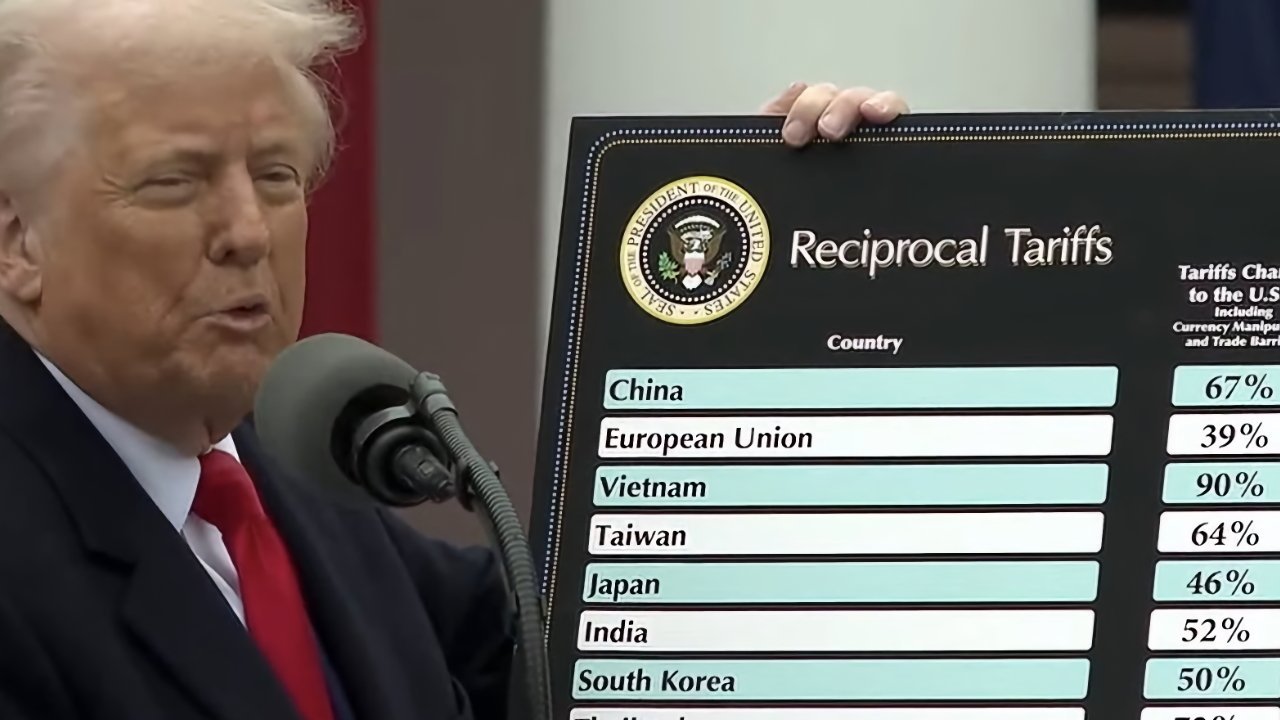
The so-called 'Liberation Day' tariffs, enacted on April 2, 2025, imposed a 10% duty on virtually all imports, targeting Apple and other global companies. President Trump used a never-before-invoked legal provision to bypass congressional approval, arguing it was a national security measure. However, the Court of International Trade found these tariffs unlawful because the administration failed to follow proper procedures and provide adequate justification for such broad, blanket duties. The ruling declared both the original Liberation Day tariffs and the subsequent global tariffs invalid, pending an appeal.
2. How did these tariffs specifically impact Apple's supply chain?
Apple relies on a complex global network of suppliers across Asia, Europe, and the Americas. The 10% tariffs immediately raised costs for components, assembly, and raw materials. Apple estimated billions in added expenses, which it partially passed to consumers or absorbed into profit margins. The tariffs disrupted long-term planning, forcing Apple to consider relocating some production—a costly and time-consuming shift. With the court ruling, Apple can now seek refunds for tariffs already paid, estimated to be in the hundreds of millions, and potentially restructure its supply chain without the threat of these duties.
3. Why did the Court of International Trade also reject the new global tariffs?
After the Liberation Day tariffs were struck down, the administration attempted to immediately impose a second set of across-the-board 10% duties under a similar legal theory. The court, however, saw this as an effort to circumvent its original ruling. It found that the new tariffs lacked a distinct legal basis and were essentially the same invalid policy repackaged. The judges emphasized that neither set of tariffs met the stringent requirements of trade law, which demands clear evidence of an unusual threat and a tailored response—not a broad tax on all imports.
4. What refunds can Apple expect from this ruling?
Because the tariffs were declared illegal retroactively, Apple is entitled to a refund of duties paid since Liberation Day (April 2, 2025). These refunds cover imports of iPhones, MacBooks, iPads, and components like chips and displays. Preliminary estimates suggest Apple could recover over $500 million, though the exact amount depends on the volume of imports during that period. The company will need to file claims with U.S. Customs, but the court's decision provides a clear legal basis. This windfall could boost Apple's earnings or be reinvested into R&D and production.

5. How did President Trump try to impose these tariffs without congressional approval?
President Trump invoked a rarely used provision of the Trade Act of 1974, specifically Section 122, which allows temporary tariffs for balance-of-payments purposes. However, this provision was designed for short-term currency adjustments, not broad, indefinite tariffs. The administration argued that import deficits threatened national security, but the court found this interpretation stretched the law beyond its original intent. Without explicit congressional consent, the president cannot levy such sweeping duties. The ruling reinforces the principle that trade policy requires legislative oversight, especially when targeting a diverse set of imports from multiple countries.
6. What happens next? Is there an appeal, and could Apple's refunds be affected?
The government has already signaled it will appeal the ruling to the Federal Circuit. If the appeals court reverses the decision, Apple's refunds would be at risk. However, legal experts note that the lower court's reasoning is solid, and an appeal could take over a year to resolve. Meanwhile, Apple can still file for refunds, but payments will likely be held in escrow until the case is final. There is also a chance the administration could settle, offering partial refunds in exchange for Apple dropping claims. For now, the ruling is a strong win for free trade and multinational corporations.
7. What broader implications does this ruling have for other companies?
The decision sets a precedent that could benefit thousands of U.S. importers, from automakers to electronics retailers. Many firms paid these tariffs, assuming they were legal. Now they can seek refunds as well. The ruling also limits executive power on trade, requiring Congress to play a larger role in future tariff decisions. For industries like semiconductors and renewable energy, this reduces uncertainty. However, the appeal process means businesses should still plan for potential new duties. Overall, the court reaffirmed that broad tariff actions without strong justification violate both the law and the spirit of international trade agreements.