Introduction
Path of Exile 2's campaign is widely praised for its tight pacing and gripping narrative, but once the credits roll, players are often left staring at a sprawling Atlas map with little direction on where to focus their endgame efforts. Developer Grinding Gear Games (GGG) recognized this frustration and has spent months reworking the entire post-campaign experience. The result is Return of the Ancients, described as the "biggest expansion ever" for Path of Exile 2, launching on May 29. This update aims to make the endgame more accessible, rewarding, and structured for both newcomers and veterans alike.
A New Beginning for the Atlas
In the revamped Atlas, players will no longer face an overwhelming cluster of nodes. Instead, you'll start at a central hub surrounded by distinct patches of land, each warped by the game's unique "league mechanics"—side activities like Abyss, Breach, Delirium, and more. Your first decision is which biome to tackle: you might choose to stitch together chasms torn open by the eerie green Abyss, or cleanse an area desecrated by twitching Breach hands. Each zone offers a dedicated questline that guides you through its mechanics, culminating in a climactic boss fight.
Questlines and Boss Fights
Every league mechanic now features a series of step-by-step quests that explain what's happening and why. Completing these quests rewards you with points for the entirely remade Atlas passive tree, which allows you to customize how each activity functions—boosting difficulty and loot potential as you invest more. Game director Jonathan Rogers explained during a press event: "We wanted to make sure the new endgame feels like you have a sense of completion. By explicitly adding questlines, you can finish all progress bars, feel done, and come back next league."
Polished League Mechanics
Beyond the quest framework, every league mechanic has been polished to be more intuitive and powerful as you sink time into it. Two standout examples are the Genesis Tree and Delirium.
Genesis Tree: Jewelry Crafting Reimagined
Borrowed from Path of Exile 1, the Genesis Tree has taken root in Path of Exile 2. This system lets you "birth" unique jewelry items that cannot be found anywhere else. It offers a new way to craft—or more accurately, grow—valuable accessories, expanding your build options significantly.
Delirium with a Progress Bar
When you touch a Delirium mirror and become ambushed by tough monsters, a new bar at the bottom of the screen now tracks your progress in real time. This gives you a clear goal as you race to defeat the final boss before the bar empties, adding urgency and clarity to the encounter.
The Fortress of the Endgame
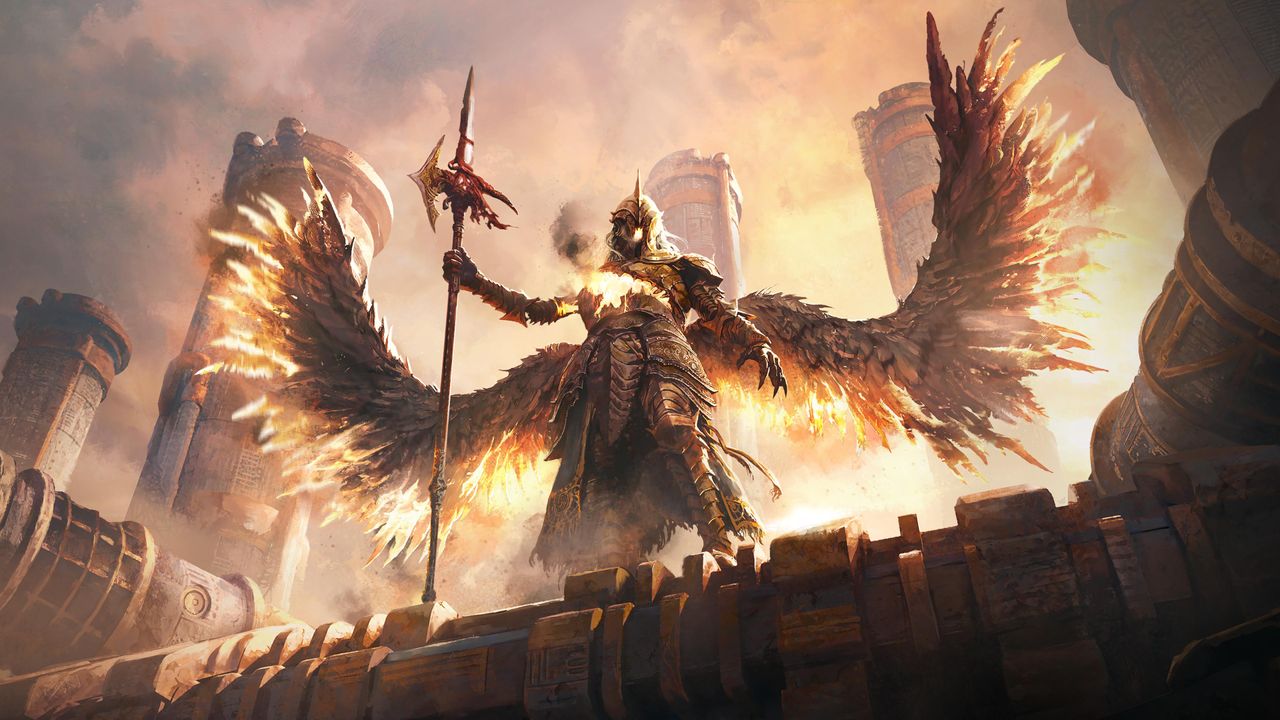
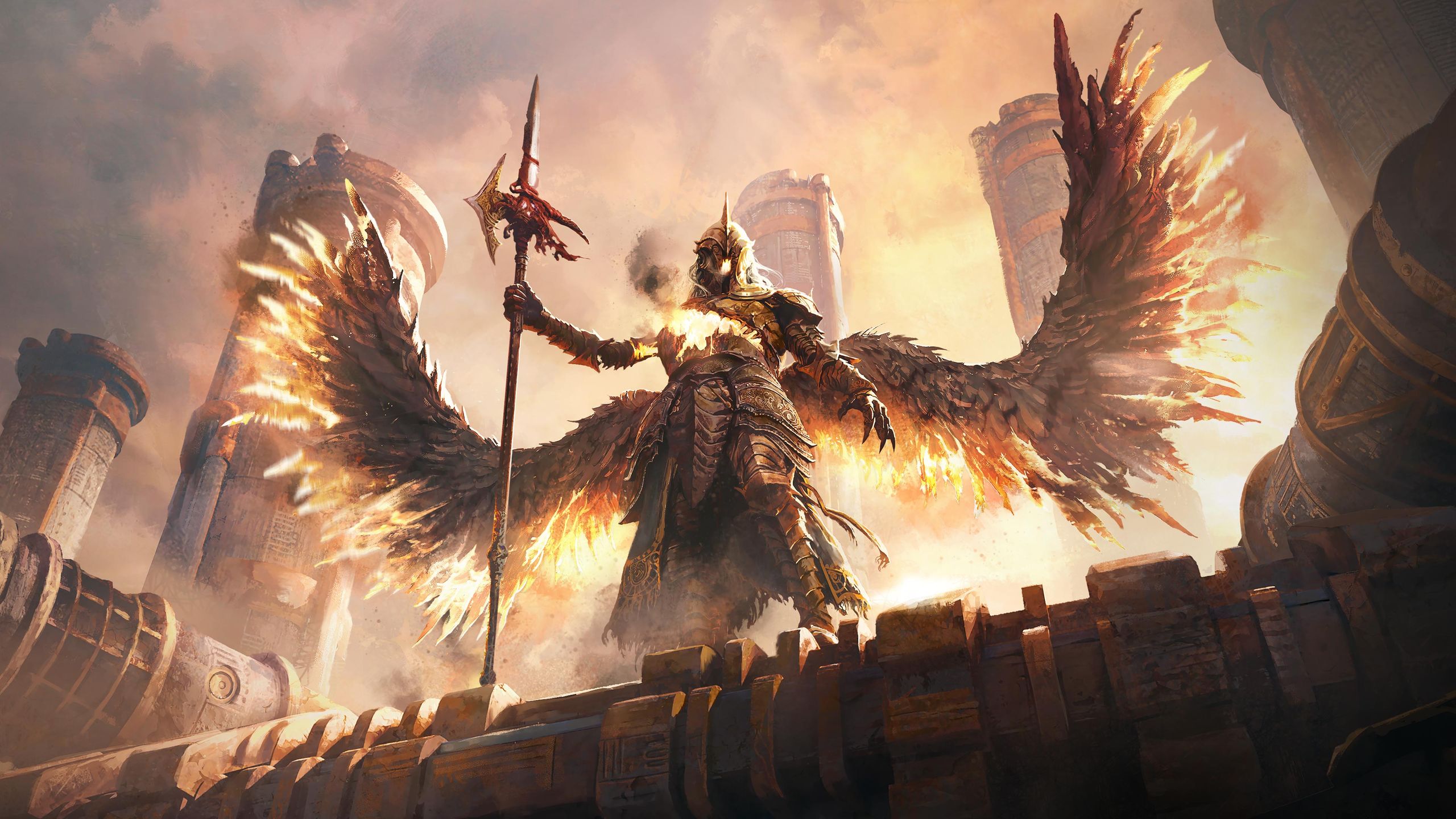
The teaser trailer for Return of the Ancients showed massive walls rising from the ground—those are actually an enormous fortress that players will explore as part of the main endgame quest. Inside the fortress, you'll find maps with unique modifiers that reward Atlas passive tree points. Recognizing the min-maxing nature of action RPG players, GGG has also added a time-saving feature: you can auto-complete a section of these maps by defeating the new pinnacle boss at the fortress's center.
Unique Rewards and Atlas Navigation
Most league mechanics now include unique items, special events, or passive tree upgrades that send you to specific maps on the Atlas. This targeted approach helps players discover hidden content and ensures no mechanic is left unexplored. For more details on the Atlas changes, jump back to the Atlas overview.
Conclusion
Return of the Ancients transforms Path of Exile 2's endgame from an opaque grind into a structured, rewarding journey. With guided questlines, revamped league mechanics, and a clear sense of completion, both new and returning players can look forward to a more satisfying post-campaign experience. Mark your calendars for May 29—Wraeclast awaits.