The Reception of Mortal Kombat 2: A Tale of Two Audiences
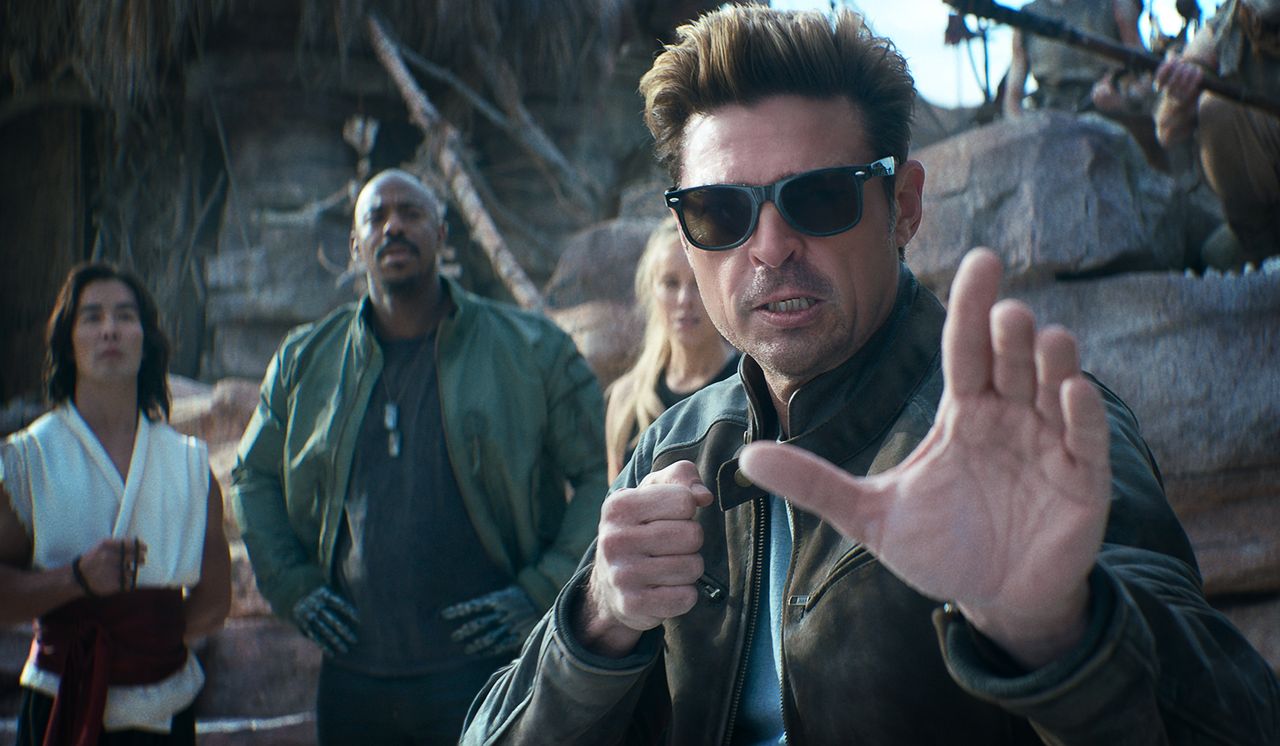
When Mortal Kombat 2 hit theaters earlier this week, it arrived with the weight of a beloved video game franchise on its shoulders. The film—an adaptation of the iconic fighting game series—swiftly drew a polarized response from critics. While outlets like GamesRadar and IGN offered generally favorable reviews, many mainstream film critics were far less kind. The AV Club called it “dreck,” The Hollywood Reporter labeled it “tacky,” and Vulture described it as “depressingly rizzless.” This split is not new; similar divides occurred with the recent Super Mario movie. But the producer of Mortal Kombat 2, Todd Garner, has fired back, arguing that many reviewers simply do not understand—or respect—the source material.
Todd Garner’s Frustration with Non-Gamer Critics
Garner took to social media platform X to vent his displeasure. “Some of these reviews are cracking me up,” he wrote. “It’s clear they have never played the game and have no idea what the fans want or ANY of the rules / canon of Mortal Kombat.” He went on to cite a specific grievance: “One reviewer was mad that a guy ‘had a laser eye!’ Why the fuck do we still allow people that don’t have any love for the genre review these movies! Baffling.” His comments underscore a broader tension in film criticism: should a movie adaptation of a game be judged primarily as a film, or does its fidelity to the game’s lore and fan expectations matter more?
The Divide Between Game Journalists and Film Critics
Garner’s argument has some merit. If a critic known for analyzing dense, arthouse European cinema were assigned to review Mortal Kombat 2, their lack of familiarity with the source material might indeed lead to an unfair assessment. However, the critics who panned the film at outlets like The AV Club and The Hollywood Reporter are not outsiders to mainstream blockbusters; they routinely review big-budget Hollywood action films. Mortal Kombat 2, with its reported $80 million budget, fits squarely into that category. The question then becomes: can a film be both a faithful adaptation and a satisfying cinematic experience, or must one take precedence?
The “For the Fans” Argument and Its Limits
Garner has positioned Mortal Kombat 2 as a film “for the fans.” On X, he responded to a user who claimed “critics are losing influence and fans don’t care about their opinions” by writing: “Absolutely. The gamification of movie reviews has gotten absurd.” Garner’s stance is understandable from a marketing perspective—appealing to a dedicated fanbase can drive ticket sales. Yet it is problematic to expect that an $80 million film, backed by ubiquitous marketing and tied to a 30-year-old household name IP, should only be evaluated by those already steeped in the game’s lore. As one X user pointedly noted, “You made a film. You sit in a theatre and watch it. You don’t get to perform any fatalities. And we’re basically forced to know about it.” The film exists in the public sphere, and critics are part of that public.
The Fan Perspective: When the Lore Itself Is Questioned
Interestingly, even some fans have taken issue with the film’s handling of the game’s canon. One dedicated fan called out Garner directly: “Bro to be fair, you invented Cole Young, Arcana and couldn’t even get the simple lore of Mileena and Kitana correct. I’d say you shouldn’t be tossing any stones here.” Garner’s reply was a single word: “Fair.” This exchange highlights a paradox: while Garner dismisses critics for lacking game knowledge, the film itself deviates from established lore. The introduction of original characters like Cole Young and the “Arcana” system—where fighters manifest special abilities—were significant changes that some fans found jarring. Inaccuracies regarding Mileena and Kitana’s backstory further fueled criticism. This suggests that even “fan-first” adaptations are not immune to scrutiny from the very audience they aim to please.
Broader Implications for Game-to-Film Adaptations
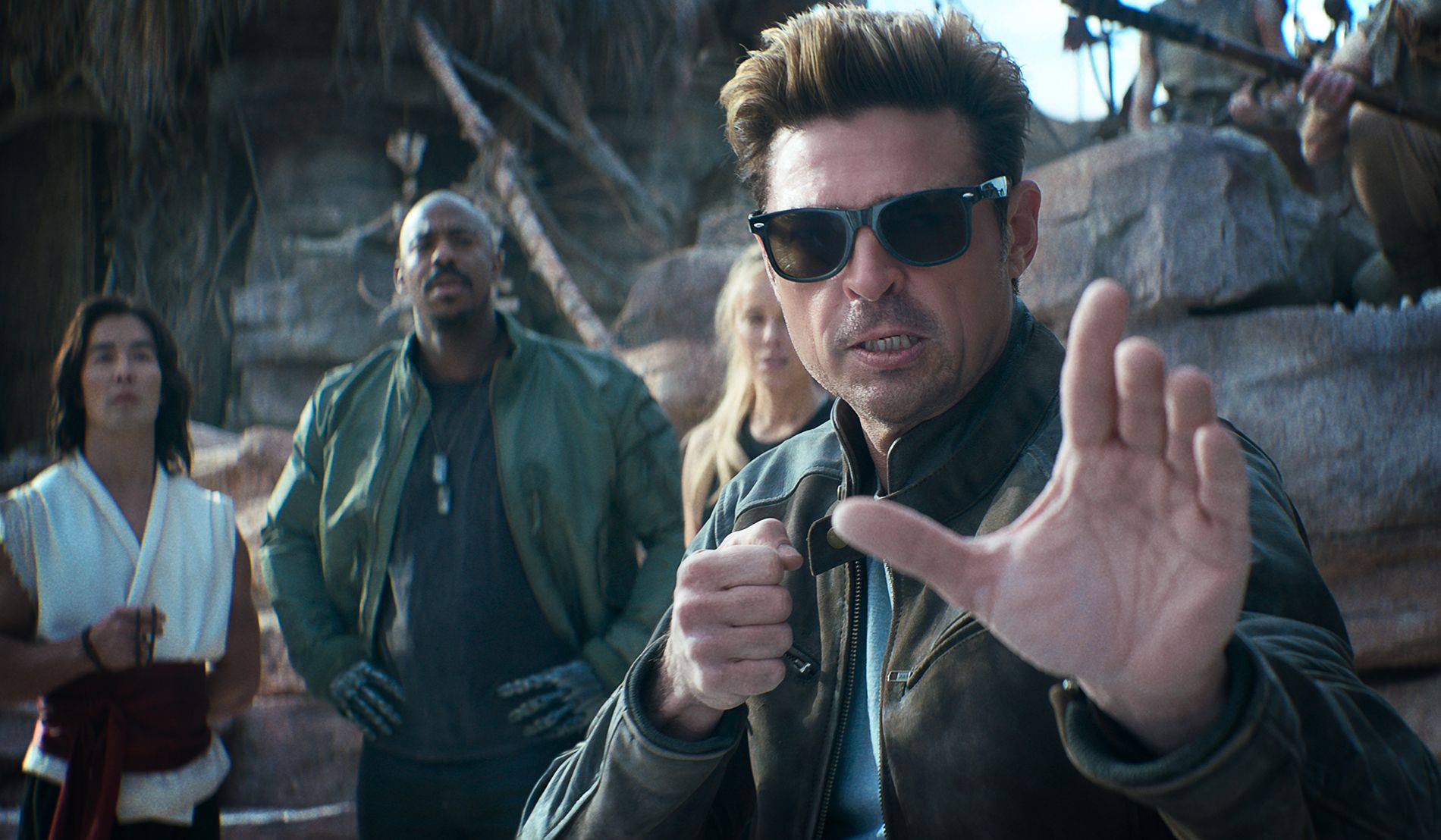
The Mortal Kombat 2 controversy reflects a recurring challenge for video game movies: how to honor the interactive, immersive nature of games while crafting a compelling, standalone film. Successful adaptations like The Last of Us and Arcane have achieved this by simultaneously respecting the source material and reimagining it for a new medium. Garner’s frustration with critics may be understandable, but his insistence on a fan-only lens overlooks the reality that movies are cultural artifacts subject to broad critique. The “gamification of movie reviews” he mentions is a vague concept, but if it implies that only gamers should review game movies, it sets a dangerous precedent. Should only comic book fans review superhero films? Only sports fans review sports movies? The role of a critic is to evaluate a film on its own merits, whether or not they have prior knowledge of the IP.
Conclusion: Balancing Fidelity and Criticism
In the end, Todd Garner’s complaints underline a genuine tension in the industry. Mortal Kombat 2 is a film made by fans for fans, but it is also a major studio release that enters a crowded marketplace of mainstream cinema. While critics from gaming outlets may be more attuned to the expectations of the fanbase, mainstream film critics bring a different, equally valid perspective. The most productive path forward may be for studios to embrace both voices. After all, a truly great adaptation should satisfy those who know the game by heart while also captivating those who have never pressed a button. As the dust settles on this latest controversy, one thing is clear: the battle over who gets to judge a game movie is far from over.